To Prevent Accident Asspiration Which Position Is Best
There is evidence that a sustained supine position 0 head-of-bed elevation increases gastroesophageal reflux and the probability for aspiration. Body positions that minimize aspiration include the reclining position chin down head rotation side inclination the recumbent position and combinations of these.

Pubmed Health Workout Motivation Women Health Motivation Womens Health Magazine
In what position should the child be placed to help ensure retention of the feeding and prevent aspiration.
. Patients with severe dysphagia often use a 30 reclining position. Aspiration pneumonia occurs when food saliva liquids or vomit is breathed into the lungs or airways leading to the lungs. Common signs of dysphagia andor aspiration.
24 Swallowing with chin tuck is one of the commonly used techniques to facilitate swallowing and. Back to top Pacing Your Feedings To help prevent aspiration its. Ensure the tube is placed prior to the prone position if possible to avoid delays in starting feeding.
Adjusting chair position sitting position prevents aspirationingestion and supine position increases the risk of swallowing 1419 It is reported by Ratnaditya et al18 2014 dental floss which is used to stabilize the hex drive is tied to a gold ring and the ring is put in position on. The persons doctor will order tests that are best for each person. By placing the casualty on their side any stomach contents will drain away from the airway.
Stay in an upright position at least 45 degrees for at least 1 hour after you finish your tube feeding see Figure 1. A head-down tilt equal to the mouth-arytenoid angle levelling the mouth with the larynx was necessary to completely prevent aspiration. A nurse has just finished feeding a 4-year-old child through a nasogastric tube.
A position of the body in which the individual is lying down on hisher left side. 24 25 There is reduction in all the measured distances in the pharynx with flexion of head and neck. Adjust the rate of feeding and size of bites to the persons tolerance and avoid rushed or forced feeding.
Sitting position to prevent aspiration in bed-bound patients. Sitting position to prevent aspiration in bed-bound patients. Body positions that minimize aspiration include the reclining position chin down head rotation side inclination the recumbent position and combinations of these.
Half to 1 teaspoon of food should be placed on the unaffected side of the mouth where the patient has greater muscle control. So which side is better. 3 What precautions should nurses take to prevent aspiration while a patient is in the prone position.
This angle of tilt was within clinically relevant ranges only with the Sellick. If there is any food or liquid in your babys mouth or throat placing them in a lying position could heighten the risk of aspiration. There are several ways to tell if someone has dysphagia or aspiration problems.
But in reality the patient must be more than 60 higher than a supine position in order to eat without assistance. Keep your baby upright for 90 minutes after feeding. In order to achieve safe and adequate feeding for patients in the prone position nurses can implement the following strategies.
22 23 It also decreases pharyngeal contraction to decrease dysphagia limit. A volunteer and manikin study. Sitting position to prevent aspiration in bed-bound patients.
241718 Patients who aspirate in the prone position--alcoholics for example--may have infiltrates in the right. During mealtime sit the person upright in a chair. To help prevent aspiration avoid feeding your infant for about 90 minutes before putting them down for the night or a nap.
If the individual is confined to a bed elevate the backrest to a 90-degree angle. Combining head-neck position and head-down tilt to prevent pulmonary aspiration of gastric contents during induction of anaesthesia. Chin tuck position makes the vallecular space wide and airway entrance narrow to prevent aspiration.
Position patients with altered consciousness in a semirecumbent position with the head of the bed at a 30-45 angle. Methods of nutrition and hydration as a means to prevent aspiration. Sitting position to prevent aspiration in bed-bound patients.
If possible always keep the head of your bed elevated using a wedge pillow. The patient should be positioned upright in a bed or a chair with the head slightly flexed forward because this position reduces the risk of aspiration. Patients aspirating in the recumbent position have infiltrates in the posterior segments of the upper lobes or superior segments of the lower lobes while patients aspirating in the upright position have infiltrates in the basal segments of the lower lobes.
This reduces the risk. For example using a radioactive-labeled formula endobronchial counts were higher when patients were lying flat in bed 0 compared to when they were in. In addition the recovery position protects against aspiration inhalation of stomach contents.
This is known as a silent aspiration Frequent aspiration can cause damage to the lungs if it is not treated. Coughing before or after swallowing. Verbal cueing keeps the patient focused on swallowing.
:max_bytes(150000):strip_icc()/aspiration-pneumonia-4178835_color1-5c6f26e2c9e77c0001be5180.png)
Aspiration Pneumonia Symptoms Causes Diagnosis And Treatment
Risk For Aspiration 5 Nursing Care Plans Nursestudy Net
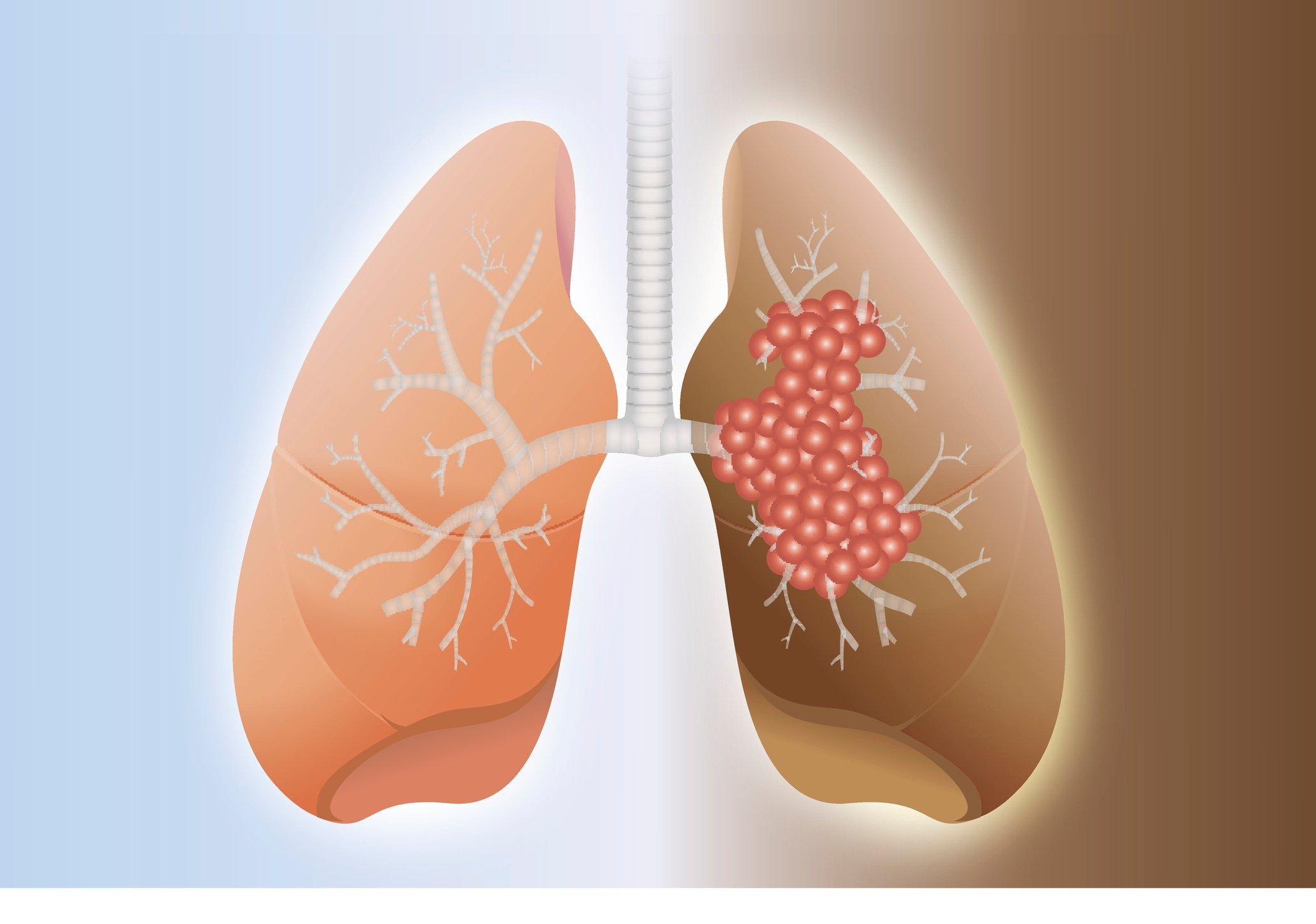
The Importance Of Suction In Pulmonary Aspiration Emergencies


Comments
Post a Comment